
How Legacy Burner Equipment Can Be Modernized Without Full Replacement
Key Takeaways
- Many legacy burner systems remain mechanically sound, but controls and safety components become failure points
- Strategic upgrades can extend equipment life without full replacement costs or downtime
- Replacing actuators improves precision, reliability, and responsiveness
- Modern flame safeguard controls enhance safety and troubleshooting capabilities
- Updating valves, switches, and wiring reduces downtime risk and improves compliance confidence
- Phased modernization allows plants to upgrade over time instead of committing to a full system overhaul
Why Modernizing Legacy Burner Systems Makes Sense
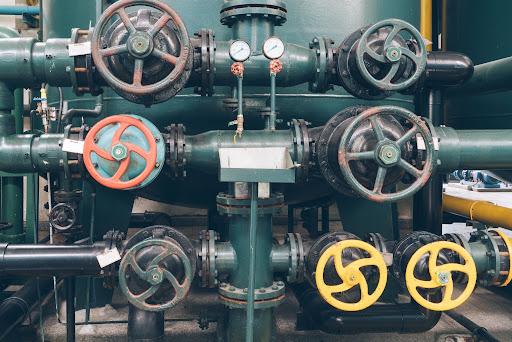 Across many industrial facilities, burner systems installed decades ago are still in operation. While these systems were built to last, time introduces new challenges. Not from the burner itself, but from the surrounding components that control, monitor, and protect it.
Full system replacement can be costly, disruptive, and difficult to justify when core mechanical components are still performing. That is why many maintenance teams are shifting toward a more practical approach: targeted modernization.
Instead of replacing everything, they focus on upgrading the parts most likely to fail or become obsolete, restoring reliability while avoiding unnecessary capital expense.
Start With What Still Works
Before making any upgrades, it is important to assess the condition of the existing system. In many cases, the following components remain in good working order:
- Burner bodies and manifolds
- Mixing assemblies
- Flame housings
- Structural mounting systems
These parts are typically durable and do not require frequent replacement. The real issues tend to come from aging support components, such as:
- Obsolete actuators
- Outdated flame safeguards
- Hard-to-source valves
- Aging wiring and interlocks
Focusing on these weak points delivers the greatest return with minimal disruption.
Upgrade #1: Replace Aging Actuators
Actuators are one of the most common sources of performance issues in legacy burner systems. Over time, they can develop:
- Sluggish response times
- Inconsistent positioning
- Internal wear
- Limited parts availability
Modern actuators offer clear advantages:
- Improved precision and repeatability
- Faster response and smoother control
- Compatibility with updated control systems
- Readily available replacement parts
In many cases, new actuators can be installed onto existing valves or dampers with minimal modification, making this a high-impact, low-disruption upgrade.
Upgrade #2: Modernize Flame Safeguard Controls
Flame safeguard systems are critical to safe burner operation. Older systems often lack the diagnostic capabilities needed for today’s maintenance expectations.
Upgrading these controls can:
- Improve startup reliability
- Reduce nuisance shutdowns
- Provide clear fault diagnostics
- Enhance overall system safety
This upgrade not only improves safety but also reduces troubleshooting time, helping maintenance teams resolve issues faster and with greater confidence.
Upgrade #3: Replace Obsolete Safety Components
Many legacy systems rely on valves, switches, and safety devices that are no longer manufactured or are difficult to source.
Replacing these components with modern equivalents can:
- Reduce lead time risks for critical parts
- Improve compliance with current safety expectations
- Simplify spare parts inventory
- Prevent extended downtime during unexpected failures
This step is often overlooked, but it can be one of the most important for maintaining uptime.
Upgrade #4: Refresh Wiring and Interlocks
Electrical issues are a leading cause of unplanned downtime in older burner systems. Aging wiring and outdated interlocks can lead to intermittent faults that are difficult to diagnose.
Modernizing these systems helps:
- Improve signal reliability
- Eliminate inconsistent performance issues
- Simplify troubleshooting
- Prepare the system for future upgrades
Even partial updates to critical circuits can significantly improve system stability.
Why Plants Choose Targeted Burner Retrofits
Instead of full replacement, many facilities choose modernization because it:
- Avoids major capital expenditures
- Reduces installation downtime
- Preserves proven system performance
- Extends equipment life by years
- Allows upgrades to be phased over time
This approach aligns well with facilities that need to maintain production while gradually improving system reliability.
When Modernization Is the Right Approach
A targeted retrofit is often the best option when:
- The burner still meets process requirements
- Mechanical components remain in good condition
- Spare parts are becoming harder to find
- Reliability issues are increasing gradually
- Budget constraints delay full replacement
In these cases, modernization provides a practical path forward without unnecessary disruption.
Partnering for Safe and Effective Burner Upgrades
Working with legacy combustion systems can be challenging, especially when documentation is limited or original components are no longer available.
This is where experienced support becomes critical.
Combustion Plus works with maintenance teams to:
- Identify compatible modern components for legacy systems
- Source actuators, controls, and safety devices quickly
- Match new technology to existing burner hardware
- Support safe and efficient upgrades without full redesign
By focusing on practical, field-tested solutions, facilities can modernize confidently while minimizing risk.
Extend the Life of Your Existing Equipment
Full burner replacement is not always necessary. In many cases, upgrading key components delivers most of the benefits at a fraction of the cost and downtime.
If your facility is running legacy heaters or oxidizers, modernization offers a smarter path. Keep the equipment that still works, upgrade what does not, and continue operating safely and efficiently for years to come.
Contact Combustion Plus to discuss how your existing burner system can be upgraded with the right actuators, controls, and safety components.